
Licensed Therapy for Professionals and Entrepreneurs Living with Chronic Illness and Autoimmune Disease in Texas, Colorado, New Mexico, Washington State, and PSYPACT states throughout the US
Chronic Illness Therapy for Building a Life That Works With Your Body
You live with a chronic illness.
And you’re deeply invested in your life and work.
You don’t want to be told to “just slow down” or “suck it up.”
You want to pace yourself intelligently.
You manage a lot.
Doctor appointments. Lab results. Medication adjustments. Sleep (or the lack thereof). Stress. All the daily routines your body requires.
On top of that, you deal with deadlines, clients, leadership responsibilities, project goals, performance reviews, and teams who rely on you.
And that doesn’t even include a personal life, responsibilities at home, hobbies… everything that goes into a life.
You’re responsible about caring for your health.
You’re well-informed.
You advocate for yourself.
And you’re building something meaningful.
A career. A business. A future.
But sometimes it feels like you’re carrying two full-time jobs:
Your dreams.
And your body.
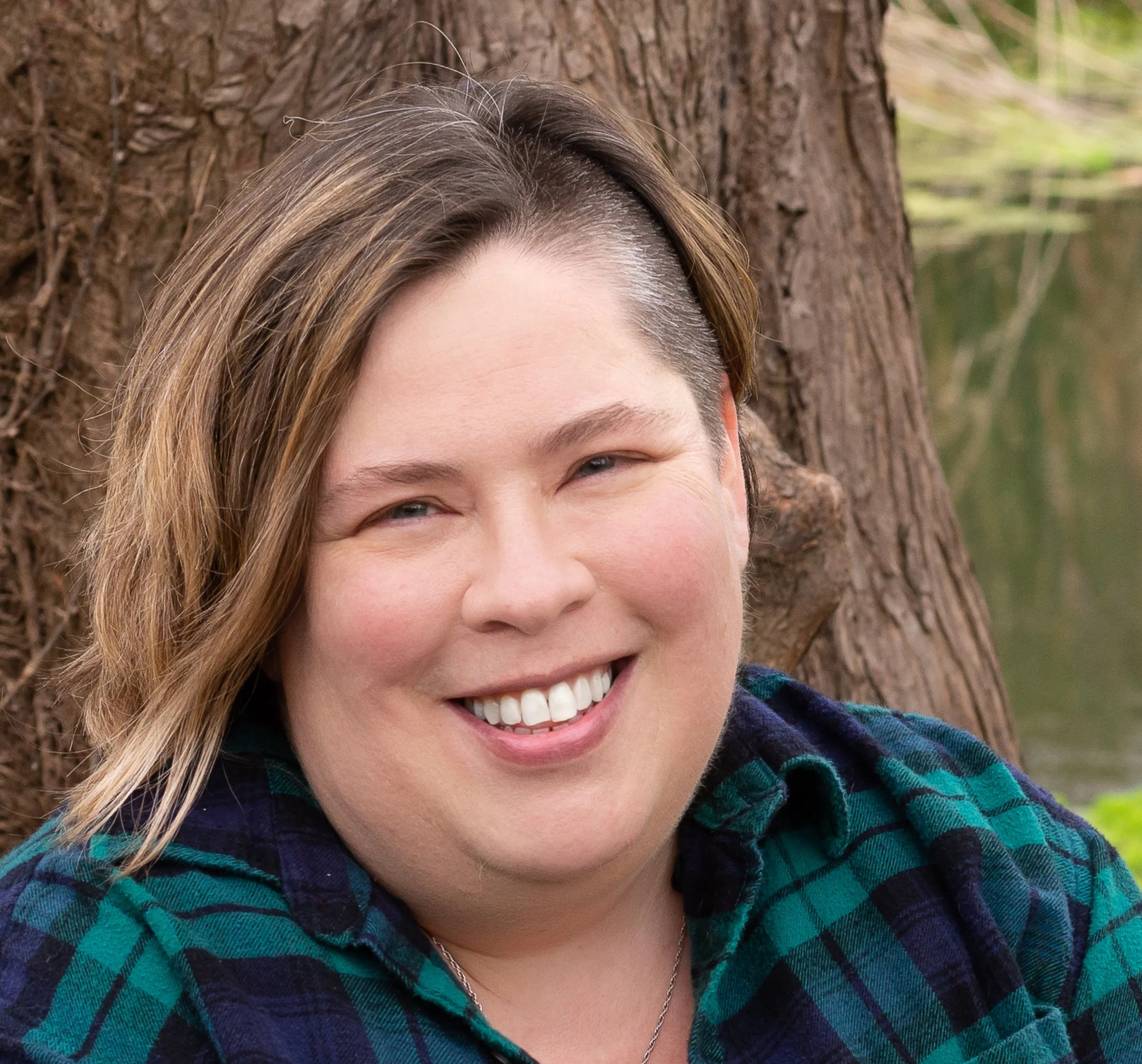
Hi, I’m Dr. Jo
I’m a licensed psychologist with over fifteen years of experience who works with high-achieving professionals and entrepreneurs living with chronic illness (often invisible or autoimmune) who refuse to shrink their dreams.
Our work isn’t about toxic positivity.
And it’s not about pushing through at all costs.
It’s about strategic sustainability.
Maybe this feels familiar:
You overdeliver… and then pay for it physically.
You cancel networking events or social plans because you’re flaring…again.
You worry your team or clients will notice the dips.
You’re careful not to talk about symptoms because you don’t want to be seen as fragile or complaining.
You push through fatigue and pain because slowing down feels too risky.
You don’t want your diagnosis to quietly shrink your earning potential or influence.
You are not weak.
You are navigating a complex nervous and immune system in a world that rewards constant output.
And most providers either:
Tell you to accept your limits.
Or unintentionally reinforce overdrive.
You need something more strategic than that.
You want:
To perform well without triggering a flare.
To grow your career or business without sacrificing your health.
To stop oscillating between overdrive and crash.
To trust your pacing decisions.
To feel strong, not brittle.
You want a relationship with your body that feels collaborative, not adversarial.
You want to build something sustainable.
Not impressive but costly.
Sustainable and powerful.

It’s mid-afternoon.
You’re in a meeting, looking engaged, sharp, contributing, well-groomed.
No one would guess how much effort it took just to show up at this level today.
You tossed and turned all night.
Your joints ache.
The brain fog is rolling in.
Inside, you’re wondering: If I push through to make this deadline, what will tonight cost me?
If I request an extension, will I look unreliable?
If I say no, will this opportunity disappear?
Outwardly, you stay composed. Professional. Capable.
All while invisibly struggling.
Together, we:
Understand how stress physiology interacts with your symptoms.
Identify early warning signs before a crash.
Untangle perfectionism from genuine drive.
Build intelligent pacing that protects both health and performance.
Strengthen emotional regulation to reduce unnecessary inflammatory load.
Create boundaries that protect your energy without costing you opportunity.
We look at real-world scenarios:
The launch week.
The board presentation.
The client you don’t want to disappoint.
The slow season that triggers fear.
The guilt when you block off a recovery day.
We adjust your strategy, not your aspirations.
Over time, your body becomes less of a liability you’re managing and more of a system you understand and collaborate with.
Imagine this…
Six months from now, you’re still reaching for your dreams. Still leading. Still building. Still creating.
But:
You recover faster.
You plan more intelligently.
You say no without spiraling.
You catch flare signals early.
You trust your pacing decisions.
You feel steadier in high-pressure seasons.
Your success feels sustainable.
Not smaller or precarious. Sustainable.
You’ve become incredibly good at carrying this privately. Invisibly, you track, plan, compensate, adapt.
But you don’t have to hold all of it alone.
Having a steady, informed, compassionate guide who understands both physiology and performance can shift everything.
If you’re ready to build something meaningful in a way your body can more easily sustain, I would be honored to support you.

In this space…
LGBTQ+ identities and neurodivergence are welcomed and affirmed.
Chronic illness is taken seriously.
Trauma responses are met with compassion.
Ambition and tenderness are both allowed.
You don’t need to justify your exhaustion here.
You don’t need to convince me that what you’re carrying is real.
I keep my practice intentionally smaller so I can stay fully present and provide quality care.
Many of my clients have done therapy before. They’re not looking for quick fixes. They’re looking for something steady and thoughtful, a chance to befriend and work with their bodies, not in spite of them.
If that resonates, we’ll likely be a good fit.
You don’t have to keep carrying this alone.
If you’re looking for therapy that feels grounded, collaborative, and compassionately understanding, I would be honored to sit with you.
FAQ
Is therapy helpful for people who have chronic illnesses?
Yes. Research indicates that the stress response directly affects autoimmune and inflammatory conditions. Therapy that includes nervous system regulation, pacing, and emotional processing can help manage flare cycles and burnout. In addition, therapy can help with the social and emotional aspects of living with chronic illness.
What are your qualifications?
I am a licensed clinical psychologist with a doctorate in clinical psychology. I spent nearly a decade working in hospitals and outpatient clinics in the VA system where I encountered many types of chronic illness and disability, and I also have experience in long-term care nursing facilities (nursing homes). I have had additional continuing education training with experts in chronic illness and disability related topics. Over the years, I have gained training and experience using tools like Acceptance and Commitment Therapy and Cognitive-Behavioral therapy to help clients learn to better manage and live more fully with chronic illness.
I’ve also lived with chronic illnesses since I was a teenager (fibromyalgia, spondylolisthesis, Hashimoto’s thyroiditis, psoriasis, psoriatic arthritis, bile acid malabsorption, roscea, antibiotic-induced autonomic neuropathy, Reynaud’s syndrome, non-diabetic peripheral neuropathy, migraine, trigeminal neuralgia, and hidradenitis suppurativa).
How long does therapy take?
Everyone is different, but most research suggests that it takes approximately 12-15 therapy sessions to start to see clinically significant change. It may be longer if there are many issues you’d like to address and/or if they are complex.
How much does therapy cost?
If you’re interested in seeing if we would be a good fit for therapy, I start with a free 15-minute consultation. If we both feel we can work together, then we meet for a 60-minute initial session for $175 where I can get more information to be able to better help you. After that, follow-up therapy sessions are 45 minutes and the rate is $150.
What happens in a 15-minute consultation for therapy?
We’ll meet on a Zoom video call. I’ll ask you to share a little about what led you to consider therapy at this time and what you would like to get out of therapy. You’ll have the opportunity to ask me whatever questions you have about therapy with me. At the end of the call, we’ll do one of two things. If we feel like it’s a good fit and that I can be helpful, we’ll schedule an intake appointment. If it doesn’t feel like I’m the best one to help you, I’ll look for referrals to other therapists who might be a better fit. My goal is to help you connect with the best care for your situation, whether that be with me or someone else.
Do you accept insurance?
For many reasons, I DO NOT accept insurance.
Don't be discouraged! Sessions are often the same or even at times less than they might be if you used your insurance, especially if you have a high deductible and high specialist copays.
Also, if you use your insurance, you will have to be given a diagnosis and it will likely become part of your record with the insurance companies, along with other personal information, and it could be considered a pre-existing condition in the future. Insurance companies dictate how many sessions you are allowed and how often you can go to therapy, and at times they will refuse to cover therapy sessions at all. Sometimes using insurance can result in having to change therapists frequently, starting all over again with someone new each time insurance changes. By not accepting insurance, I can keep your information more private and spend more time focusing on you rather than on phone calls and paperwork, allowing me to offer lower rates to you and all my clients.
Do you accept FSA and HSA cards?
I happily accept FSA and HSA cards, or I can provide you the itemized receipts for you to file for reimbursement from your FSA or HSA.